Healing Through Giving: What New Research Says About Volunteering and Mental Health
We often think of therapy and self-care as the primary paths to healing, but a recent feature in APA Monitor on Psychology (July/August 2026) points to something worth adding to that conversation: helping others may be one of the most effective tools we have for helping ourselves.
The Science Behind "Helper's High"
According to researchers, consistent evidence shows that volunteering and other acts of kindness can meaningfully improve mental health outcomes; not just for the people receiving help, but for the people giving it.
In one notable study, UCLA psychology professor Naomi Eisenberger and graduate student Maria Naclerio had 777 participants perform self-directed acts of kindness over two weeks, either toward themselves, toward others, or not at all. The results were striking: people who were kind to themselves saw a drop in depression symptoms, but those who directed their kindness toward others experienced reductions in depression, anxiety, and loneliness. The key difference seemed to come down to connection; helping others left people feeling more socially bonded, and that sense of connection is closely tied to better mental health.
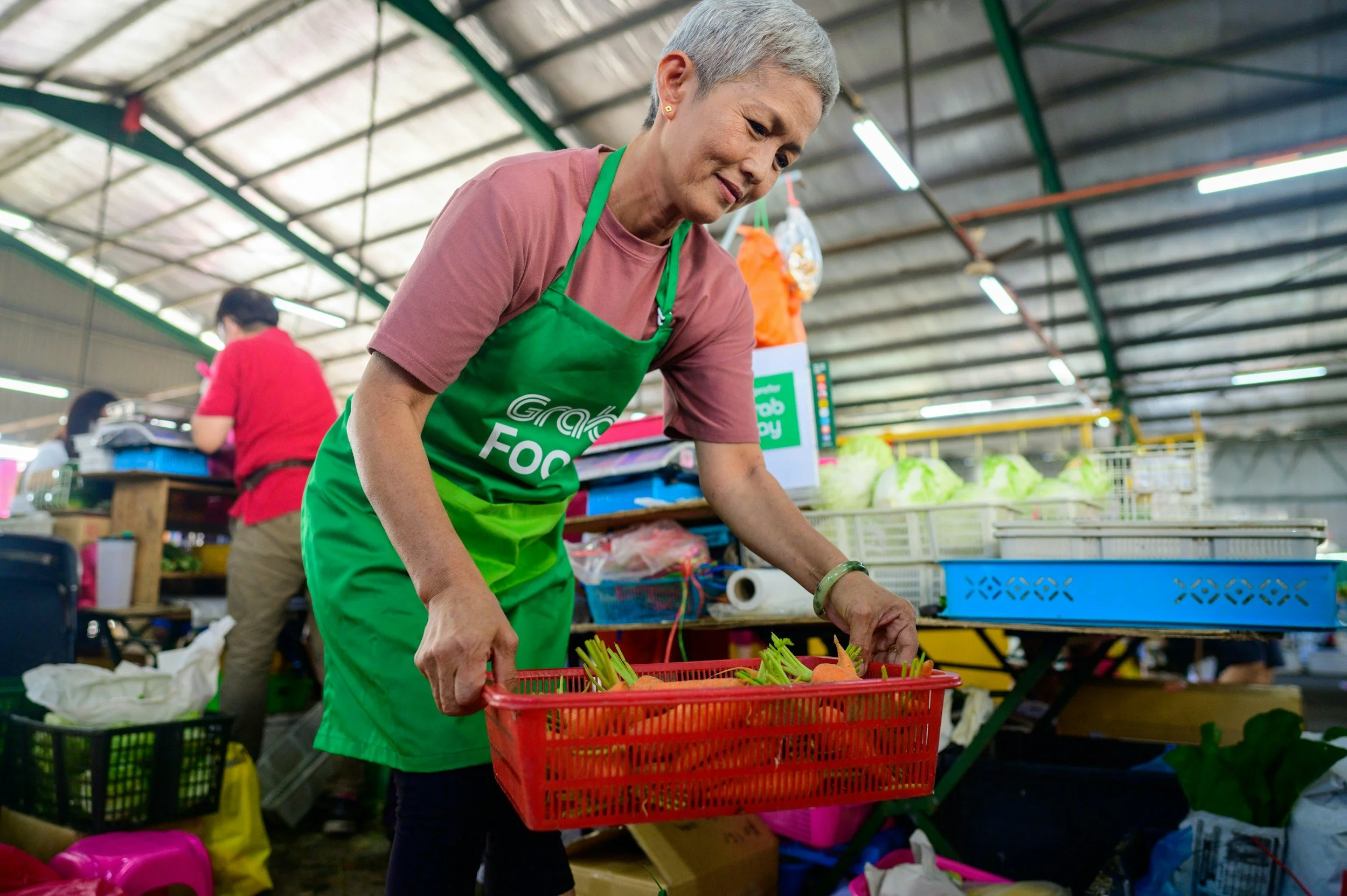
Studies show that helping others can ease depression, anxiety, and loneliness; often more effectively than self-focused acts of kindness alone.
Why Giving Later in Life Matters Especially
The article also highlights research on volunteering in older adults, particularly around grief and loss. One researcher described volunteering as among the most protective behaviors available later in life, noting it's one of the few activities consistently linked to better outcomes after the loss of a spouse.
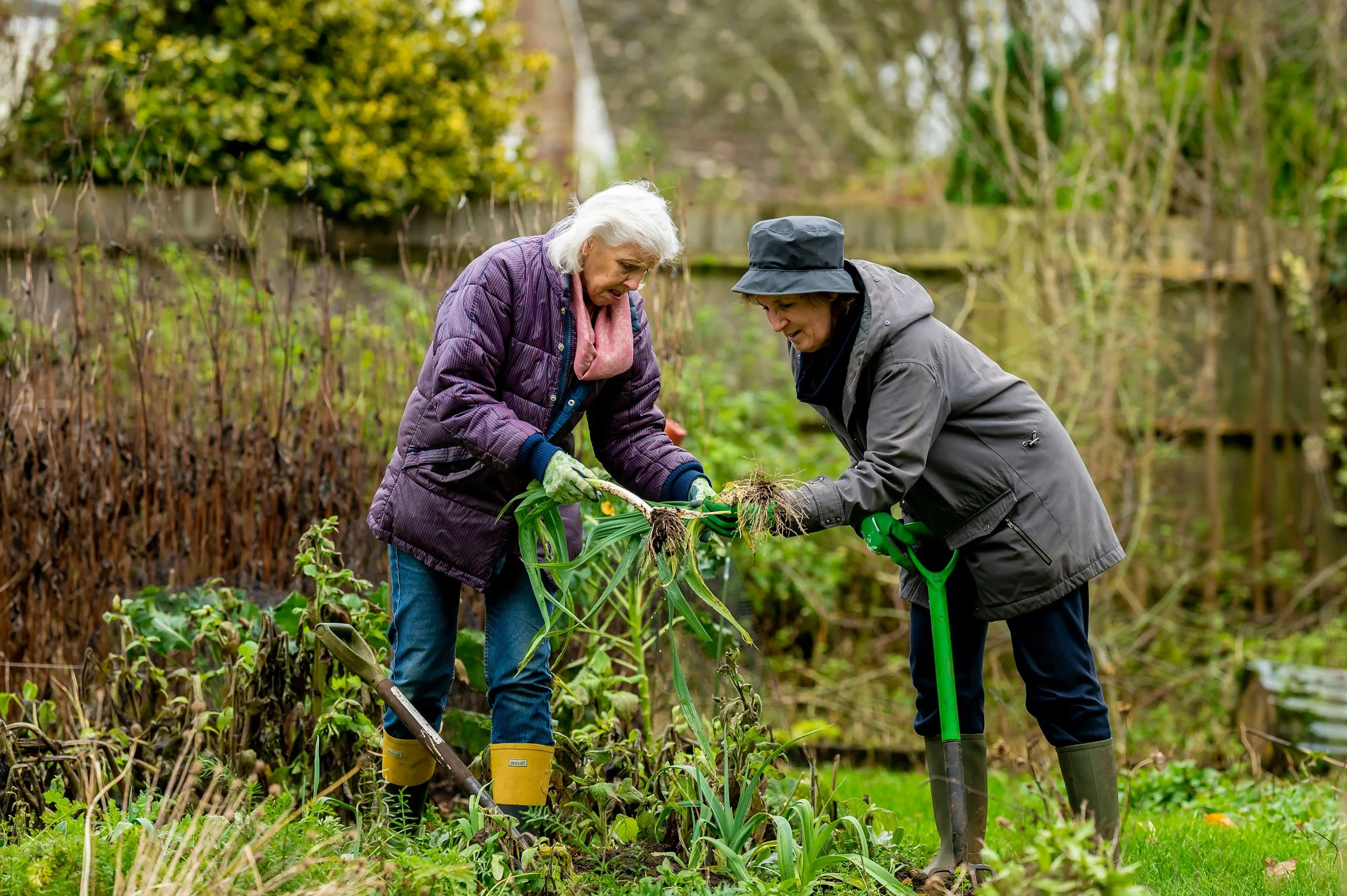
For older adults coping with loss, volunteering is one of the few behaviors consistently linked to better mental health outcomes after the loss of a spouse or loved one.
The "Relational" Factor
A common thread across the studies cited: the mental health benefits of giving are strongest when the giving involves genuine human connection. Whether it's volunteering for a cause or simply helping a neighbor carry groceries, prosocial acts appear to function as a kind of medicine — and that medicine works best when it brings people together rather than happening in isolation.
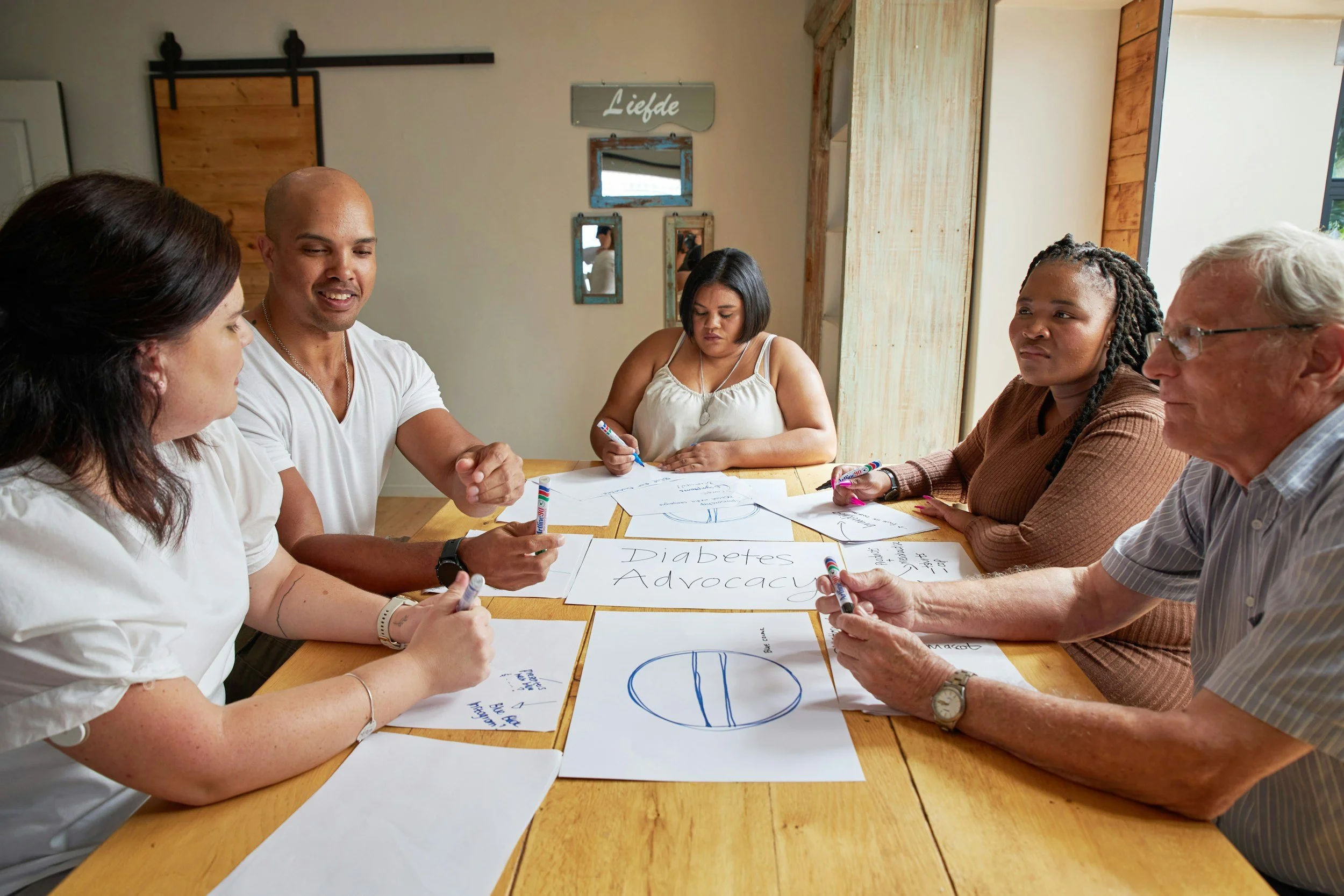
Volunteering can be a powerful complement to therapy; supporting emotional healing through connection, purpose, and community.
What This Means for You
If you're navigating depression, anxiety, loneliness, or grief, this research offers a gentle reminder: healing doesn't only happen in the therapy room. Small, relational acts of kindness — checking in on a friend, volunteering at a local organization, helping someone in your community — may meaningfully support your emotional wellbeing alongside professional treatment.
Of course, volunteering isn't a substitute for therapy when you're struggling, but it can be a powerful complement to it. If you're interested in talking through what a balanced approach to healing might look like for you, our team is here to help.
Source: "Volunteering and other kind acts help the helper, too," APA Monitor on Psychology, July/August 2026.