When Grief Comes Without Warning: How Families Cope After a Sudden Loss
There is no way to prepare for a phone call that changes everything. When a loved one dies suddenly — through an accident, a medical emergency, or another unexpected cause — families are thrust into grief without the slow build-up that sometimes comes with a long illness. There's no chance to say goodbye, no time to adjust, no warning to soften the blow. And for the family left behind, this kind of loss often brings a distinct and complicated kind of pain.
At PROV 205, we work with individuals and families navigating exactly this kind of loss. If you or someone you love is struggling in the aftermath of a sudden death, please know that what you're feeling is common, valid, and treatable, and that support is available.
Why Sudden Loss Feels Different
Grief researchers have found that bereavement following sudden or violent death , including accidents, sudden medical events, and other unexpected causes, is associated with more severe grief symptoms and higher rates of depression than loss following a more anticipated death, along with less post-traumatic growth in the aftermath (Fisher et al., 2020, Frontiers in Psychiatry). Without the chance to anticipate the loss, families miss out on the psychological "rehearsal" that sometimes accompanies a terminal diagnosis, the difficult but sometimes protective process of beginning to imagine life without that person.
This helps explain why sudden loss so often carries traumatic stress alongside grief: shock, intrusive thoughts, hypervigilance, and a sense that the world is no longer predictable or safe.
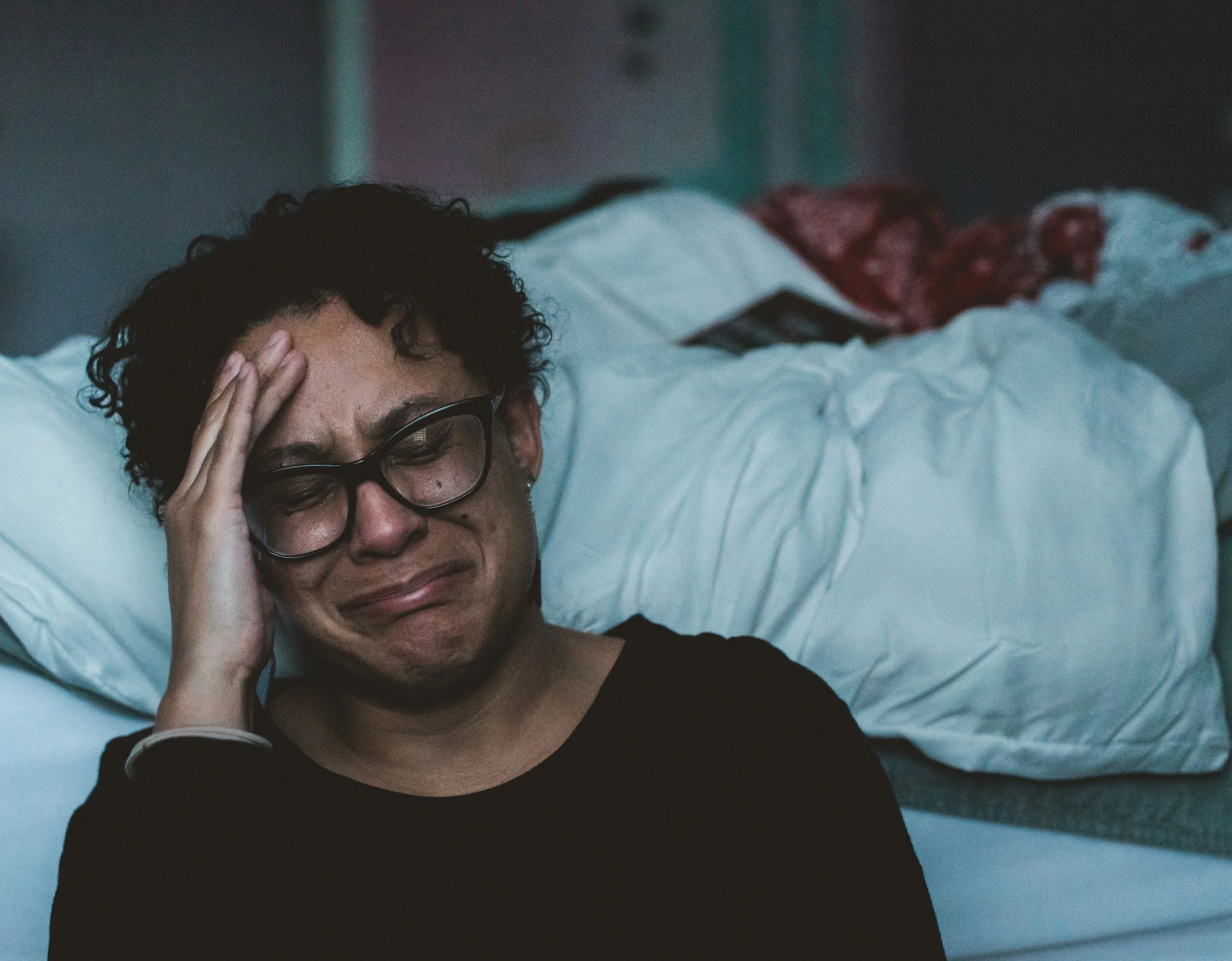
A sudden loss can carry traumatic stress alongside grief: shock, intrusive thoughts, hypervigilance, and a sense that the world is no longer predictable or safe.
The Family-Level Challenges
Grief is rarely experienced identically by everyone in a household, and sudden loss tends to expose those differences more sharply.
Mismatched grieving timelines. One family member may want to talk about the person constantly; another may go quiet and avoid the subject entirely. Neither is wrong, but the mismatch itself can create friction and a sense of isolation within the very family unit that should be a source of support.
Coping style matters more than most people realize. Research comparing individuals bereaved by suicide and sudden death found that, regardless of the cause of death, people relying heavily on avoidant coping or pushing feelings away rather than processing them, tended to fare worse, especially when compounded by stigma or shame around how the death occurred (Elliott et al., Coping Styles Utilized During Suicide and Sudden Death Bereavement). Notably, this same research found that men and those with a prior mental health history were more likely to lean on avoidant coping — a pattern worth watching for in families where one member seems to be "holding it together" a little too well.
Children process sudden loss differently than adults. Kids' grief responses depend heavily on their age, their relationship to the person who died and, critically, the support available to them from surviving caregivers, siblings, and other trusted adults. The encouraging finding across the research is that structured support, whether individual, group, or family-based, can meaningfully soften the long-term impact of losing a parent or close family member in childhood (Gottlieb et al., 2025, scoping review of grief interventions for bereaved children).
Roles and routines collapse and have to be rebuilt. A sudden death often means someone in the family instantly takes on new responsibilities: financial, logistical, and emotional, and often before they've had any time to process their own grief. This role disruption is one of the most under-discussed stressors in sudden bereavement, and it's part of why family therapy, not just individual therapy, is often so valuable in these situations.
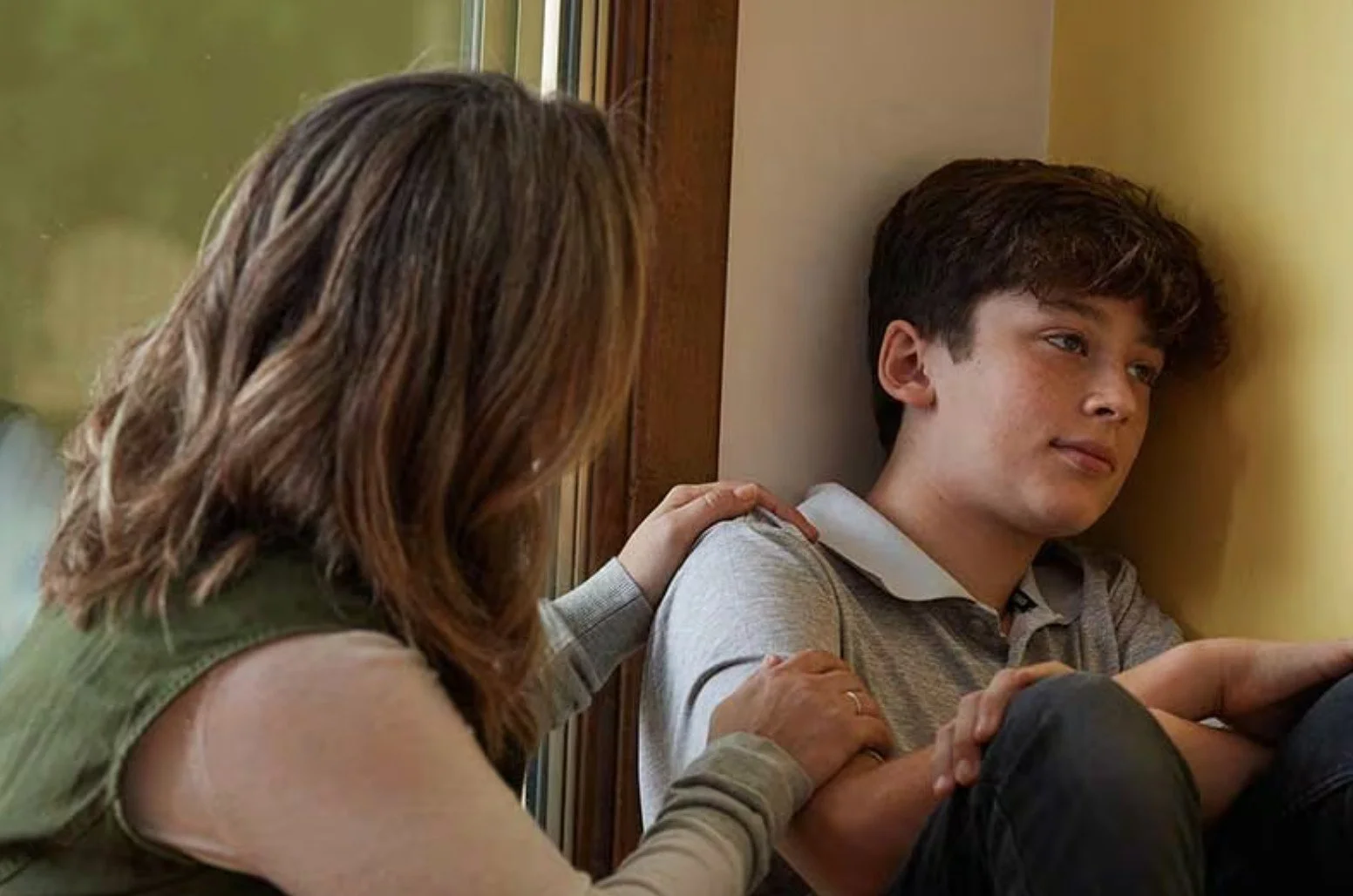
Children process sudden loss differently than adults. Kids' grief responses depend heavily on their age, their relationship to the person who died and, critically, the support available to them from surviving caregivers, siblings, and other trusted adults.
What Actually Helps
The research points to a few consistent themes:
Naming and working through the loss directly, rather than avoiding it, is associated with better long-term outcomes, even though avoidance often feels safer in the short term.
Connection with others who understand matters. Reviews of peer-support programs for people bereaved by sudden or traumatic loss point to real benefits, particularly for people who feel isolated by stigma or the circumstances of the death (scoping review of peer-led bereavement support).
Professional support is underused. Broader research on families navigating sudden or traumatic loss has found that many never connect with formal mental health support at all, despite it being associated with better coping (scoping review on health service use after sudden bereavement). If you've been managing alone, reaching out isn't a last resort — it's often the step that helps the most.

If you or someone in your family is having thoughts of suicide, the 988 Suicide & Crisis Lifeline is available 24/7 by call or text at 988.
If Your Family Is Struggling
There is no "right" timeline for grief, and no single way a family is supposed to look while healing. But if you're noticing prolonged avoidance, growing distance between family members, a child who seems stuck, or your own coping starting to feel unsustainable, these are signs that additional support could help — not signs that something is wrong with you or your family.
At PROV 205, we offer individual, family, and child-focused therapy for exactly these situations, in both English and Spanish. If you'd like to talk with someone, reach out for a free consultation — we're here to help you find your way through.